The History of the Freedom of Information Act (FOIA): How the Public Gained Access to Government Records

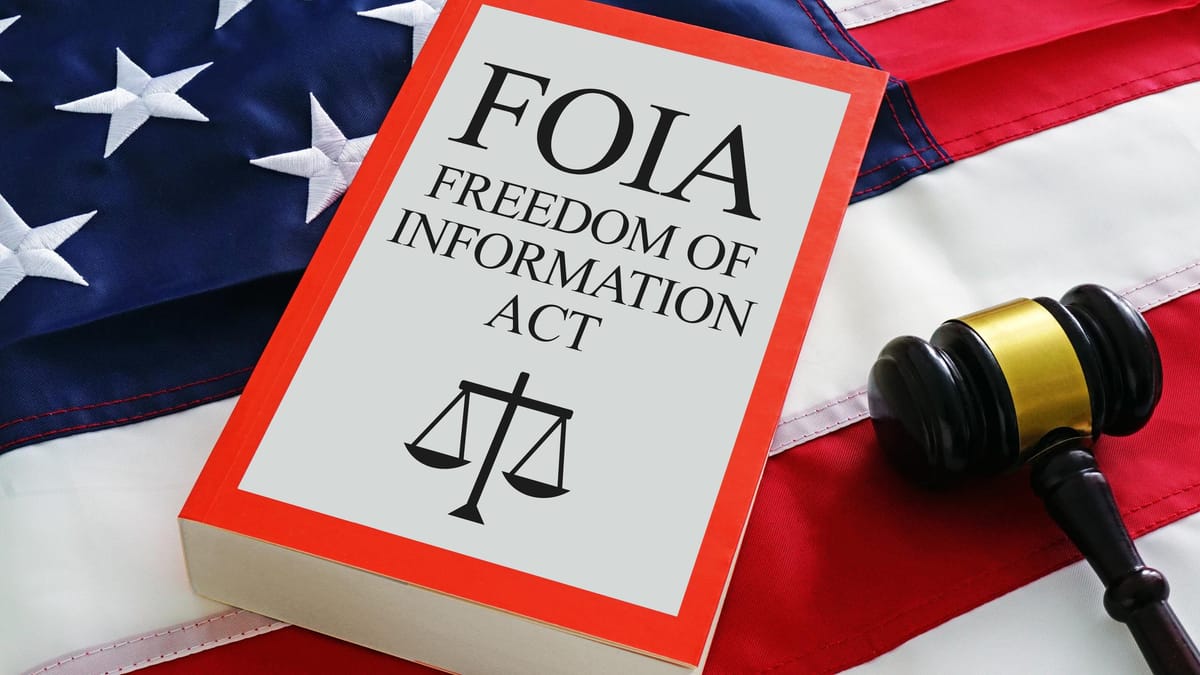
The Freedom of Information Act (FOIA) is one of the most important transparency laws in the United States. It allows members of the public to request certain records from federal government agencies.
Understanding the history of FOIA helps explain how citizens gained greater access to government information.
The Administrative Procedure Act of 1946
The roots of FOIA can be traced back to the Administrative Procedure Act (APA), which was enacted in 1946 during the presidency of Franklin D. Roosevelt.
The APA established rules governing how federal agencies develop regulations and make administrative decisions.
While the APA created some transparency requirements, it still allowed agencies significant discretion to withhold many records from the public.
Growing Public Pressure for Government Transparency
During the 1950s and 1960s, journalists, researchers, and members of Congress began raising concerns about limited public access to government records.
Many believed that federal agencies had too much authority to decide which documents could be released.
This led to increasing public pressure for a law that would guarantee broader access to government information.
Creation of the Freedom of Information Act
In response to these concerns, Congress passed the Freedom of Information Act in 1966.
The law took effect in 1967, during the presidency of Lyndon B. Johnson.
FOIA established a formal legal right allowing individuals to request records from federal government agencies.
What FOIA Allows the Public to Do
Under FOIA, individuals may request access to many types of federal agency records.
These can include:
- Agency reports
- Internal communications
- Policy documents
- Administrative records
Federal agencies are required to review requests and determine whether the records can be released.
FOIA Exemptions
Although FOIA promotes transparency, the law also includes several exemptions that allow agencies to withhold certain types of information.
Examples may include:
- National security information
- Personal privacy data
- Certain law enforcement records
- Confidential business information
These exemptions are designed to balance transparency with security and privacy concerns.
Why FOIA Still Matters Today
FOIA continues to serve as a powerful tool for transparency and accountability.
Researchers, journalists, and private citizens regularly use FOIA requests to obtain information about government activities.
By allowing the public to access certain records, the law helps promote openness in federal agencies.
Final Thoughts
The Freedom of Information Act was created after years of public pressure for greater transparency in government.
Since its implementation in 1967, FOIA has helped individuals access federal records and better understand how government agencies operate.
Understanding this law helps citizens recognize their rights when seeking information from federal agencies.
Bert Gives Jr.
Founder & Automation Architect
IRS Response Pro™
IRS Response Pro™ provides administrative documentation assistance for individuals responding to IRS notices, preparing tax court petitions, and organizing records related to federal tax disputes.
📞 Phone: 803-846-2578
📧 Email: info@irsresponsepro.com
🌐 Website: https://irsresponsepro.com
📰 Blog: https://blog.irsresponsepro.com
When you're ready, I can also show you one powerful SEO blog article that could rank for dozens of IRS-related searches and drive traffic into all these posts.
I prefer this responseChatGPTResponse 2I prefer this response